Wild Adventures Blog
Journey to the wild
A scoop of pelicans

Rietvlei Nature Reserve in Cape Town has two bird hides and these always provide some form of entertainment. It is a rather lengthy walk to get the hides, compared to other reserves I’ve been to. However, this also provides an opportunity to scout the surrounding area for interesting sights.
I made a quick visit to Rietvlei early on the morning of Christmas Eve 2015. The tide was very low and the salt pans were rather dried up. This resulted in bird activity being quite far away from the viewing hides. Without getting despondent, I continued with my quest.
Along the way I managed to see some Stilts, three African Spoon Bills as well as a Yellow Billed Kite flying overhead. These were all a first for me.
I made my way to the Old Friends Hide. I watched some Flamingos wade in the wetland and eventually take off. These lanky birds look rather comical when flying. In the background I could see a large scoop of Pelicans circling in the air. I was hoping that they would come nearer, but that prospect didn’t seem promising.
I decided to move along to the Sunset hide, further down the wooden pathway. By this time I could see some rain clouds forming. This didn’t deter me. I noticed a good couple of White Throated Swallows flying around, hunting for insects and dragonflies. I saw at least five successful dragonfly and cricket hunts.
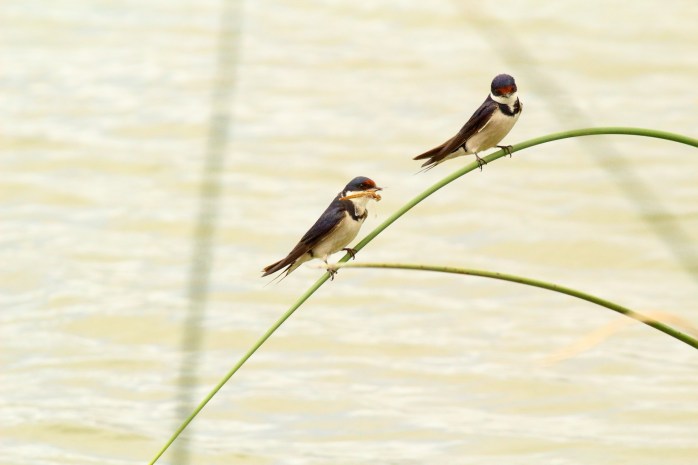
With all this activity I knew some rain was bound to fall. The wind started to pick up over the water and it got rather chilly inside the hide. I decided to sit tight and waited for some action.
Then unexpectedly, the Pelicans I was hoping for came and landed in front of the hide. I watched one scoop up a fish with its large beak. I managed to capture a take-off of one of the other pelicans as they were all about to leave.
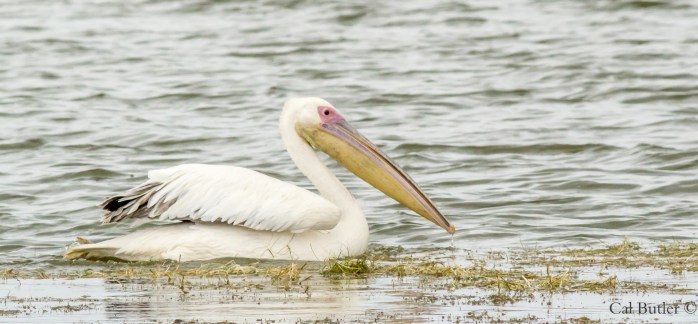


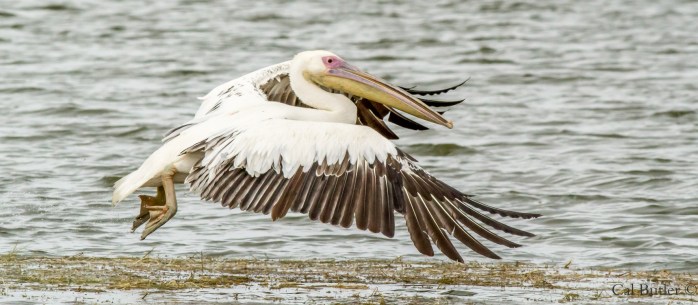
Sure enough after watching the pelicans a couple of large drops of rain started falling. I packed up my belongings and decided to leave as it would have been a long run back to the car in pouring rain!
Koeberg Nature Reserve

Most Capetonians know about Koeberg nuclear power plant on the west coast. Few know about the wonderful nature reserve that the plant hosts.
The Koeberg Nature Reserve caters well for cyclists and hikers. I decided to try out the approximately 25km mountain bike trail. I set out on an early Saturday morning in January striving to photograph the various game in the reserve as well as take a break at Gordon’s bird hide.
Before you reach the car park you stand a good chance of being greeted by some Springbok. These animals seem well accustomed to visitors and will casually wander past you.


A dazzle of zebra’s were introduced to the nature reserve quite recently. Some move close to the cyclists without alarm, but the greater group remain on an open field until they become familiar with their new surroundings.
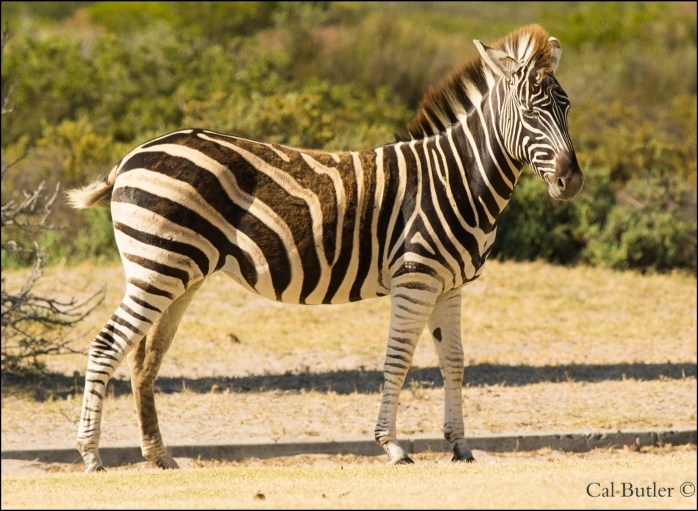
I was hoping to see some of the bigger Eland and Gemsbok along the trail, but only realised half way through how large the reserve really is. I saw a lot of tell-tale signs like droppings and hoof prints, but did not manage to spot the antelope in the open west coast fynbos.
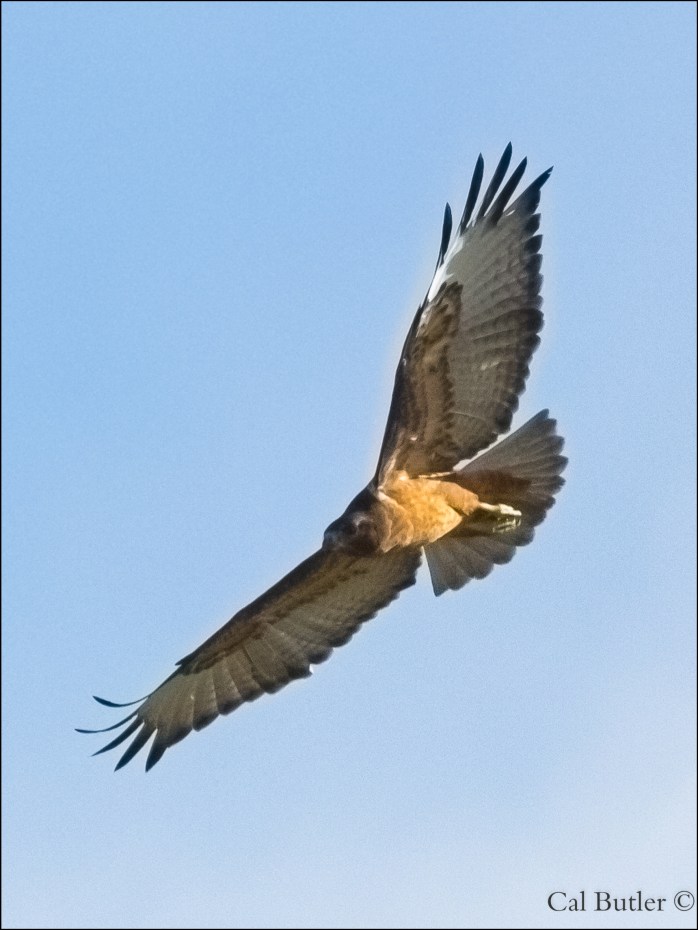
There were a handful of raptors flying around hunting for rodents or smaller birds. I managed to take a pic of what I believe to be a Steppe Buzzard.
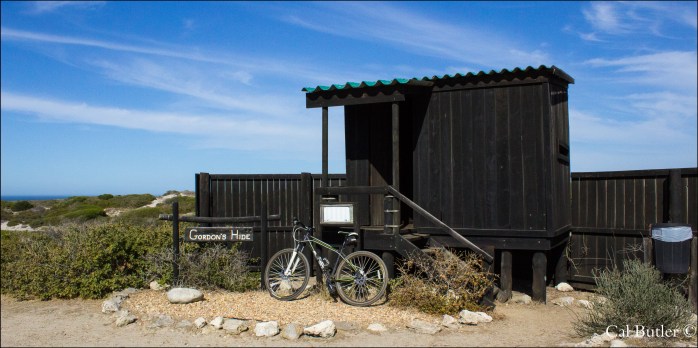
After cycling through most of the reserve, I managed to reach Gordon’s bird hide. It is well positioned on a bank, towering over a small dam. Many eagles and herons pass through the wetland section of the park searching for a meal. I managed to witness a majestic African Fish Eagle soar through, but I was unable to take a picture of it. This was the first time I saw one in the greater Cape Town area.
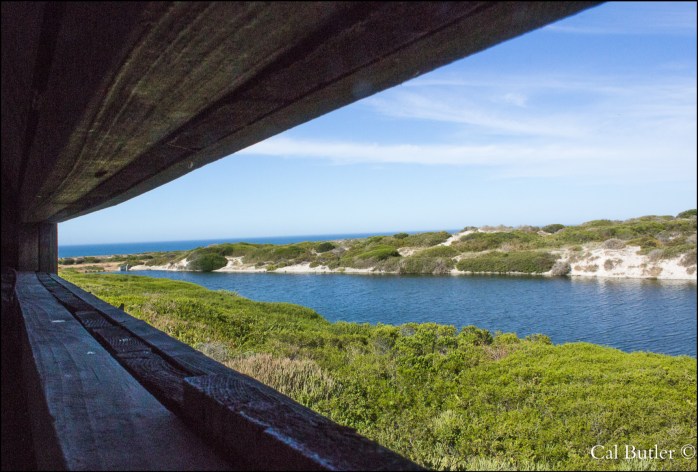
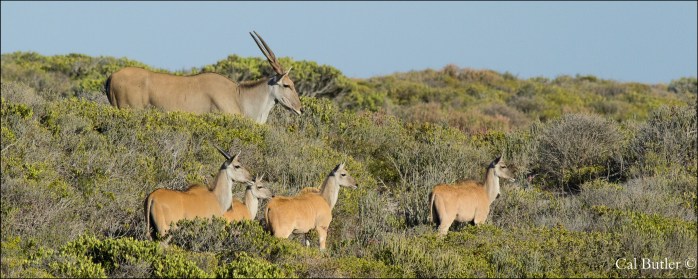
While setting up my camera in the hide, I saw a large herd of Eland approaching the water from the opposite bank. There could easily have been 30-40 Eland. I watched as one of the Eland moved closer to the water. It cautiously moved down a strip of soft white sand. The sand gave in beneath it, but the antelope managed to find its footing and it did not topple over. I watched as the group grazed and moved leisurely through the fynbos. Some moved lower down to drink while others were just ambling around.
I managed to get a picture of these Eland with a rather startled gaze. It may have been some of the cyclists passing through that caused alarm. They scanned the area and simply resumed their grazing.
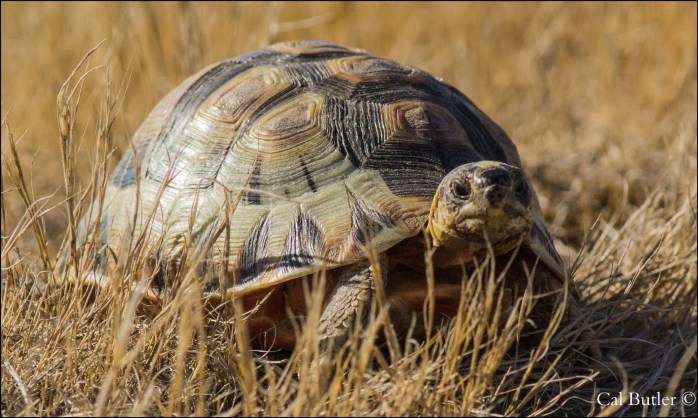
I also caught a quick glimpse of a tortoise on the side of the road before I headed off back home.
Brave little mouse
Wildlife comes in many shapes and sizes and any animal can become a subject to photograph. Often we want to see the Big 5 or see something spectacular happening that we will often overlook the simpler things that happen around us.
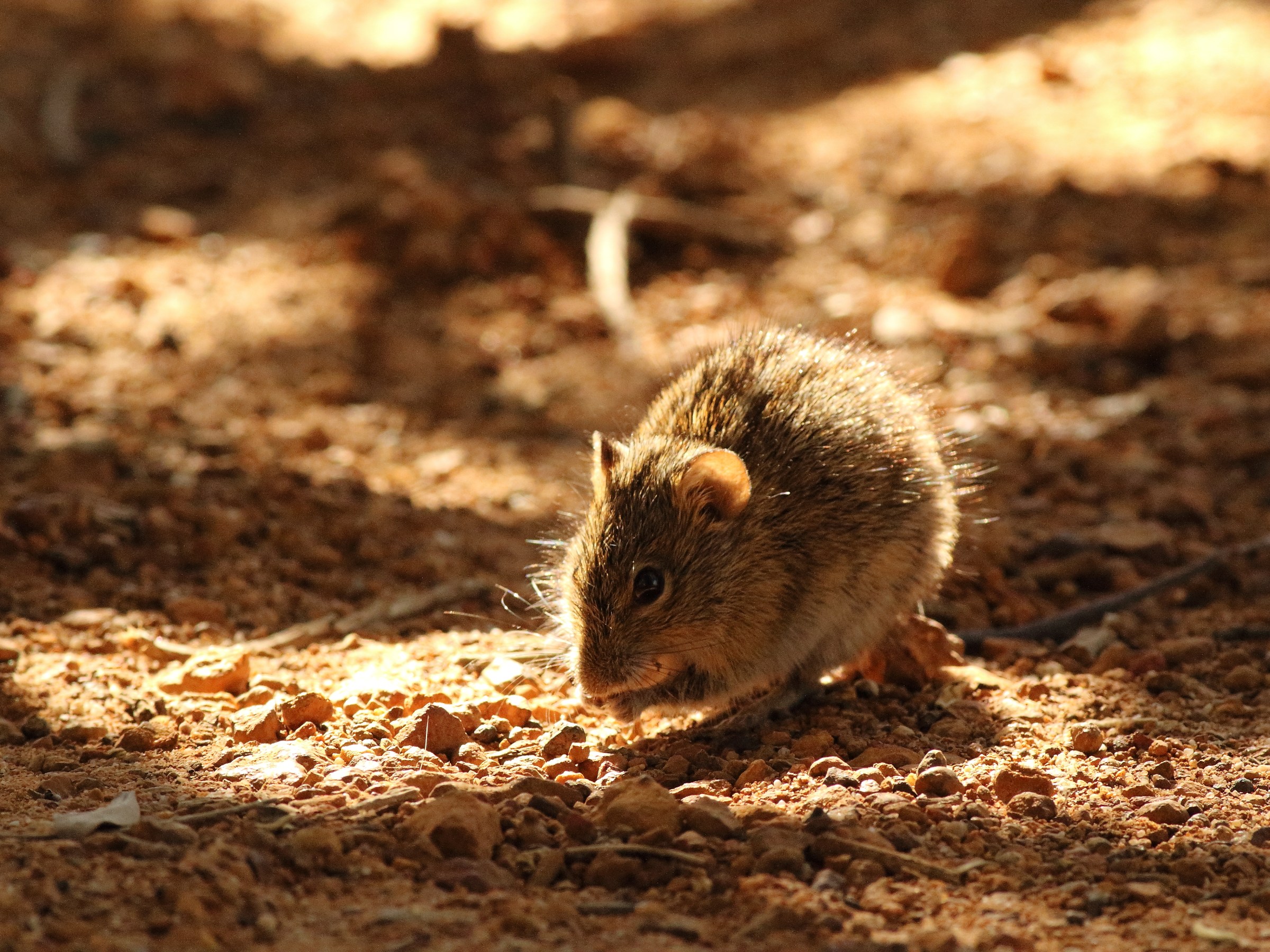
I was walking along the path to the bird hide at Intaka Island one morning, when I saw something run across the gravel pathway. The early morning light was just starting to shine through the bushes and created a soft filtered glow. I focussed my gaze and caught a glimpse of a little Four Striped Mouse in front of me.
![Mouse2[1]](https://wildadventuresblog.com/wp-content/uploads/2016/01/mouse21.jpg?w=698)
I stood still and then got down on the ground to get a picture of the mouse. It was not too concerned with me being close to it, but the mouse did keep a watchful eye over my movements. It was moving casually around a very small area looking for some food. I was surprised at how unperturbed the little mouse was.
Only after taking a couple of shots did I realised that the little creature was injured. There was quite a big gash on the mouse’s rear. I’m not sure whether this would have been caused by a fight with another mouse, a mongoose or possibly a failed hunt by one of the larger birds at the wetland reserve.
![Mouse1[1]](https://wildadventuresblog.com/wp-content/uploads/2016/01/mouse11.jpg?w=698)
![Mouse4[1]](https://wildadventuresblog.com/wp-content/uploads/2016/01/mouse41.jpg?w=698) The injury didn’t seem to immobilise the mouse and it simply continued with its daily routine. I managed to capture some photographs and proceeded towards the bird hide. The mouse looked at me and then scurried off into the bushes.
The injury didn’t seem to immobilise the mouse and it simply continued with its daily routine. I managed to capture some photographs and proceeded towards the bird hide. The mouse looked at me and then scurried off into the bushes.
In the blink of an eye

Paying attention to what’s happening when photographing wildlife can make or break a great photo opportunity. There are so many opportunities that can arise or disappear in the blink of an eye.
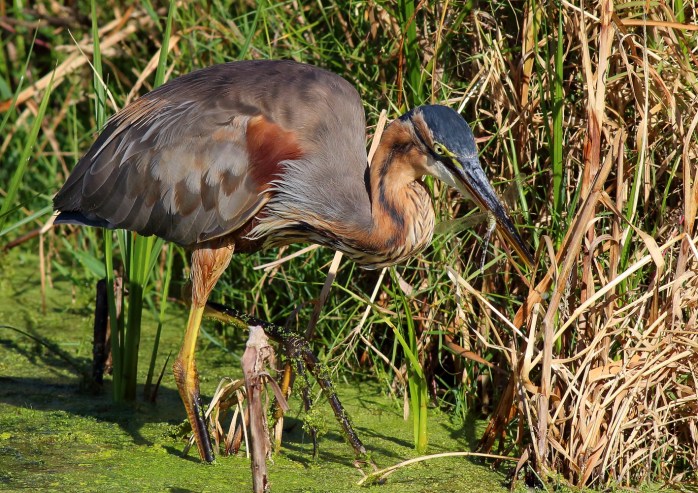
I was photographing a Purple Heron at Intaka Island one morning. The purple Heron had been hunting for fish all morning and had finally been successful. After capturing the sighting, I thought I’d take a quick stretch break and rest my eyes.
Before I could even get off from my seat, I noticed a quick movement from the Purple Heron.
The Purple Heron was still standing close to a reed bed minutes after feeding on the fish. The next moment it turned its head around and snapped at the reeds. My camera was not focused on the Purple Heron so I had no idea what it had caught.
I aimed my camera and focused on the Purple Heron. Believe it or not, it had managed to catch a big Dragonfly. I had assumed that it wouldn’t eat so soon after devouring the large fish for breakfast. I was mistaken.

This happened within a few seconds. The Purple Heron proceeded to secure its catch and then instantly gulped it down. Some of the other photographers were still trying to figure out what had just happened.

Black & White
With all the controversy around the Rhino poaching situation in South Africa, I was very surprised at the amount of Rhino sightings on my first ever four day trip to Kruger National Park.
While planning the trip I did not even expect to see Rhino. I had no idea how bad the situation was and to what extent it had affected the Rhino population in the park.
My first Rhino sighting occurred at the least expected moment and it was a rare sighting at that. I was rushing back to camp on my first day in the park. I had already seen amazing sightings and was already overwhelmed. I even saw two lionesses and all I wanted to do was go check into camp. I saw a car parked on the side of the road and decided to ask what they were viewing. The man in the car grinned and whispered, “A Black Rhino”.
I didn’t get the best view, but managed to see the Rhino and its horn in between thick bushes. Black Rhinos are fairly shy and don’t like to emerge from the bushes. I could not believe that this was how my trip was starting. What a special and memorable way to end off the first day.
Over the next few days I managed to see numerous more White Rhino sightings. I saw a mother and calf walking around a waterhole during a guided night drive. The guide told us that a White Rhino mother will lead with the calf behind her and a Black Rhino mother will have the calf in front of her at all times.
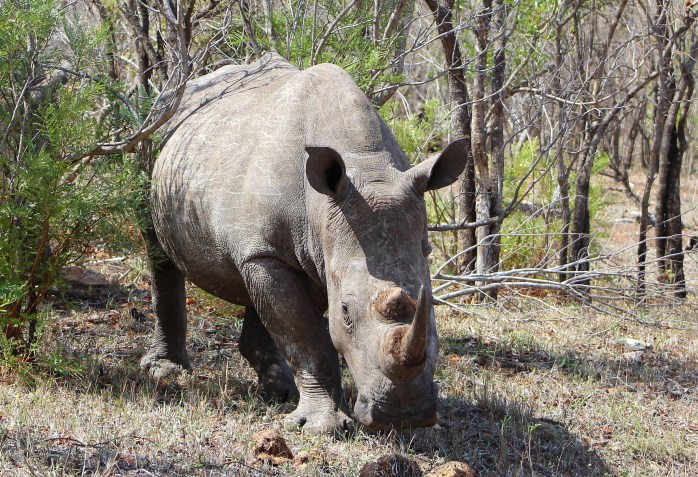

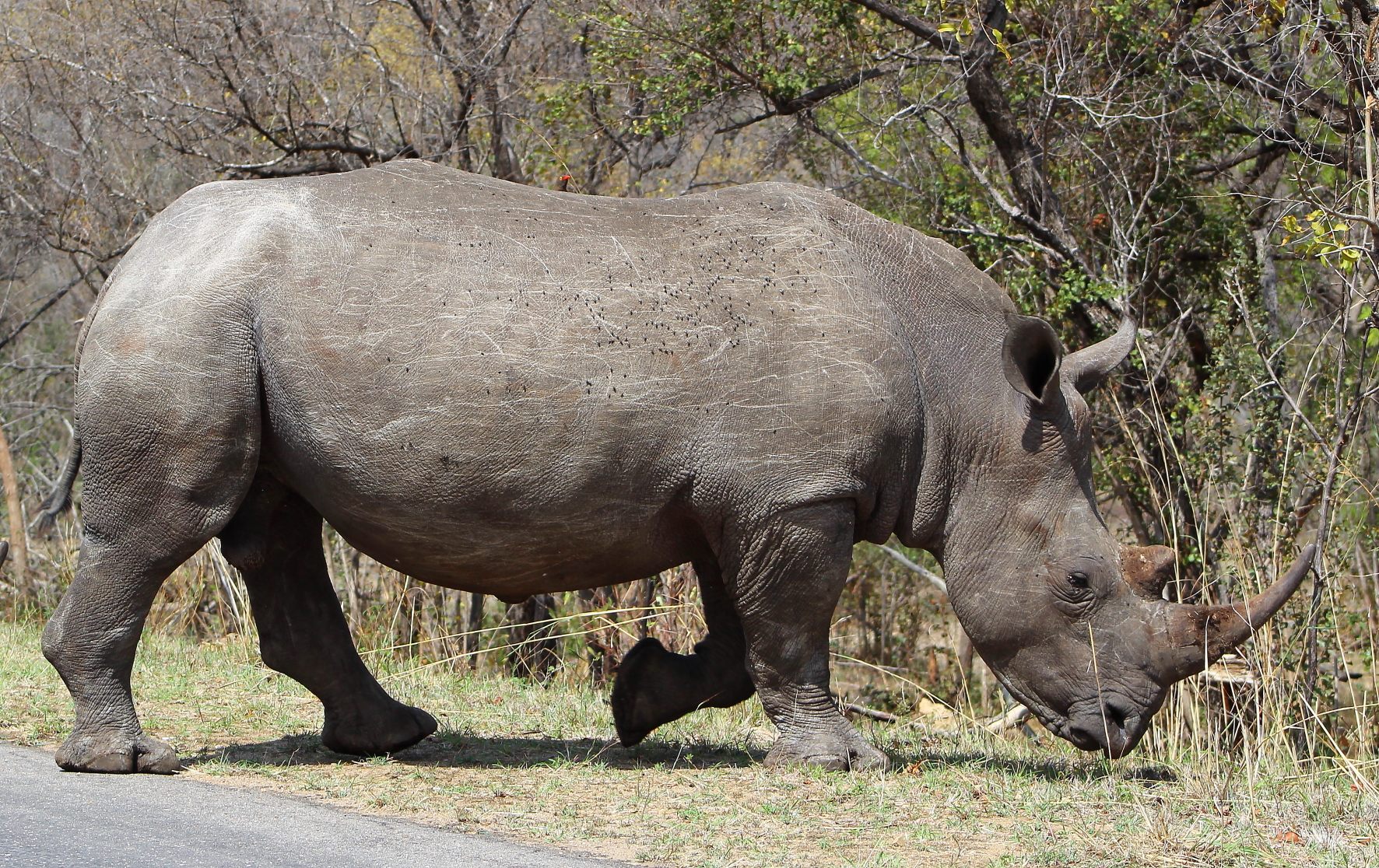
I saw these two White Rhinos while heading towards a waterhole. It was quite an ironic story seeing these rhinos in this area. The bush was quite thick and all I could see was a large mass moving through the bush. I first assumed it might be elephants, but then they eventually revealed themselves. They were on a slow march and made their way across the road.

The last day in the park was surprisingly hot as it was the first sunny day after some rain. I drove past these two white Rhino’s simply taking it easy in a shallow mud bath.
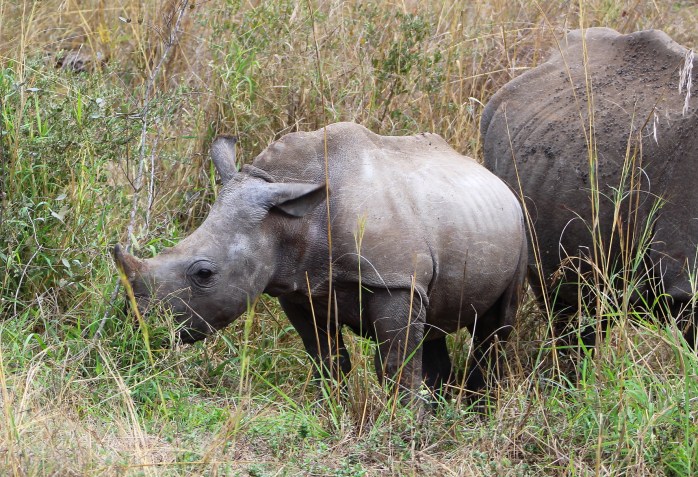

Bending roads in the Kruger are something I look forward to as you never know what’s going to happen around the next bend. You’ll be very lucky to have an incredible sighting all to your own, but seeing a traffic jam tells you that something great is taking place. This is what happened with this baby Rhino. Once I made it through the pile of cars, I saw a baby White Rhino rolling around and frolicking in the middle of the road. It was the cutest thing I had seen on the whole trip. It must have been enjoying the heat on the tar road. It simply was not concerned with any traffic rules and was having a ball of a time. It eventually got up and walked back to its mother to have a quick bite to eat.
I had some other minor rhino sightings where the rhino were simply too far away to see anything spectacular. However it is an incredible experience to see them in their natural habitat. I was relieved to see that all the Rhinos still had their horns intact.
P.S. For the protection of Rhinos, I’ve omitted where I’ve seen the Rhinos and some key details in my story.
Well spotted
Curiosity must be one of the most interesting characteristics of humans, even if the curiosity can lead us to danger.
I took my first trip to West Coast National Park early in January 2016. I headed out early in order to catch the morning movements of the various animals. As soon as I got close to the entrance of the park I realised it was peak tourist season! There was a long line of cars waiting to enter the park. I kept my cool and slogged my way through the busy gate.
I wasn’t quite sure what sightings to expect in the park. The first thing that I did notice is that the swarm of visitors weren’t there to view the animals at all! They were simply interested in getting to the various braai spots as quickly as possible. This did not deter me in any way. I kept the car to a slow crawl hoping to spot any animals that may be lurking around. This can be quite tricky when the bush is dense and carries on for kilometers without end.
![West_Coast_3[1]](https://wildadventuresblog.com/wp-content/uploads/2016/01/west_coast_31.jpg?w=698)
It was a slow start, but I managed to spot numerous birds of prey even before entering the park. I made my way down to the first bird hide situated over a small wetland. It was a great setting, but the sun was rising into the hide, so photo opportunities were difficult to come by. There was a Black Harrier flying around the area which kept me entertained for a few minutes. A pair of White Throated Swallows was building a nest inside the hide and they kept swooping in and out while I was there.
I managed to come across some Ostriches roaming the park as well as a large herd of Eland buck which was a first for me.
I drove up to the Atlantic Ocean lookout point. Behind me was a great view of the lagoon and in front of me were rolling sand dunes and the cold Atlantic Ocean. I spotted a falcon that was flying low overhead, but struggled to capture any great pictures due to the sharp sunlight.
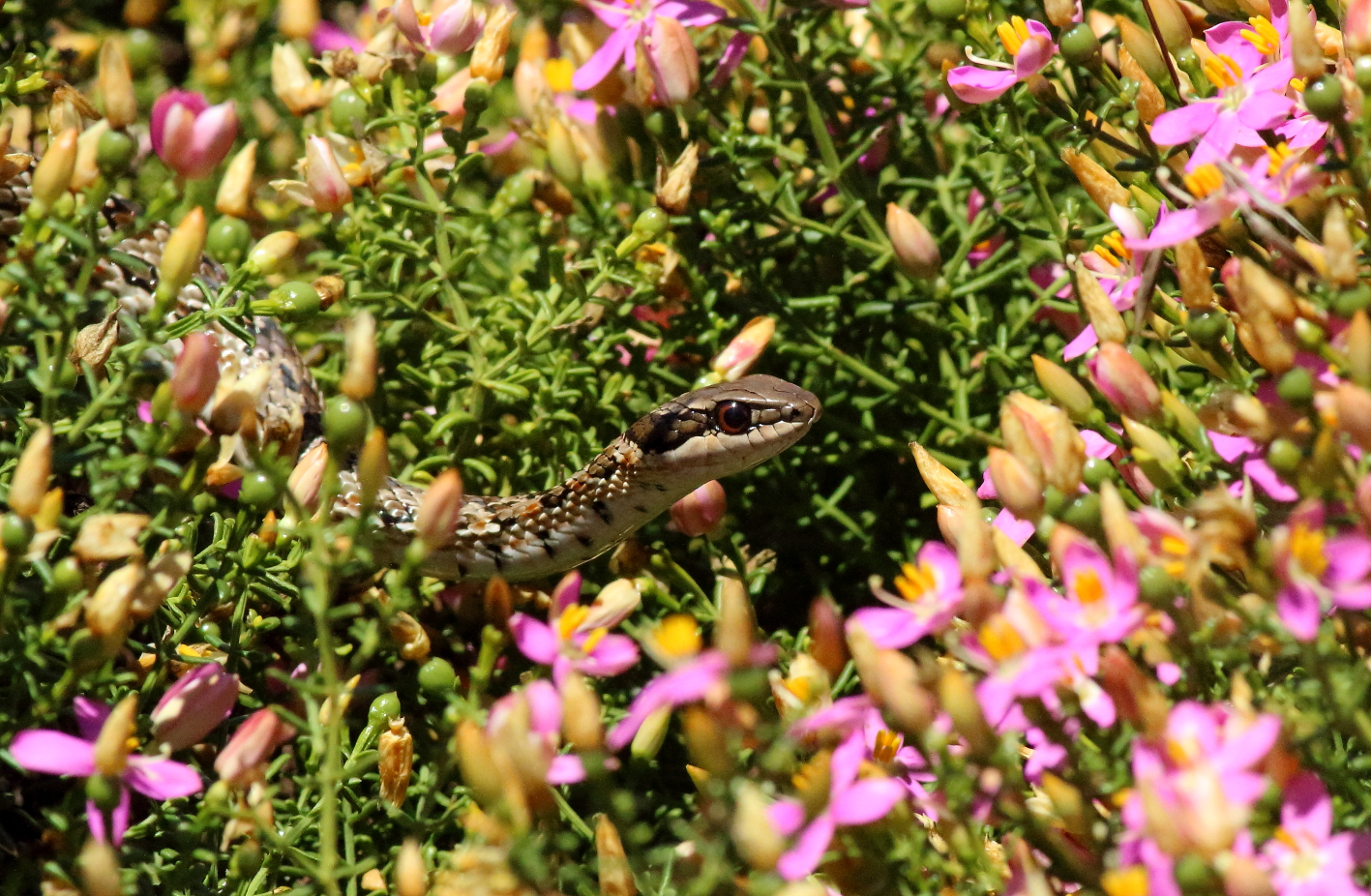
As I was about to leave, I saw some people looking intently at the bush close to their car. My curiosity kicked in and I decided to walk over to them. I asked the guy what he was looking at and he said that there were two snakes in the bush about three metres away. I scanned the area, but I could not see anything but twigs and bushes.
The guy picked up a small stone and tossed it in the direction of the snake. I finally managed to spot it and what a beautiful sighting it was! The snake was hidden in a small bush full of bright pink flowers. It was a Spotted Skaapsteker snake. The snake was very calm and really wanted nothing to do with us.

There is nothing more thrilling than coming within a few metres from a dangerous animal. Just knowing that something could go wrong sends the adrenaline levels soaring. It was a great day out in the West Coast National Park and I’ll definitely be back.
Oh what splendour
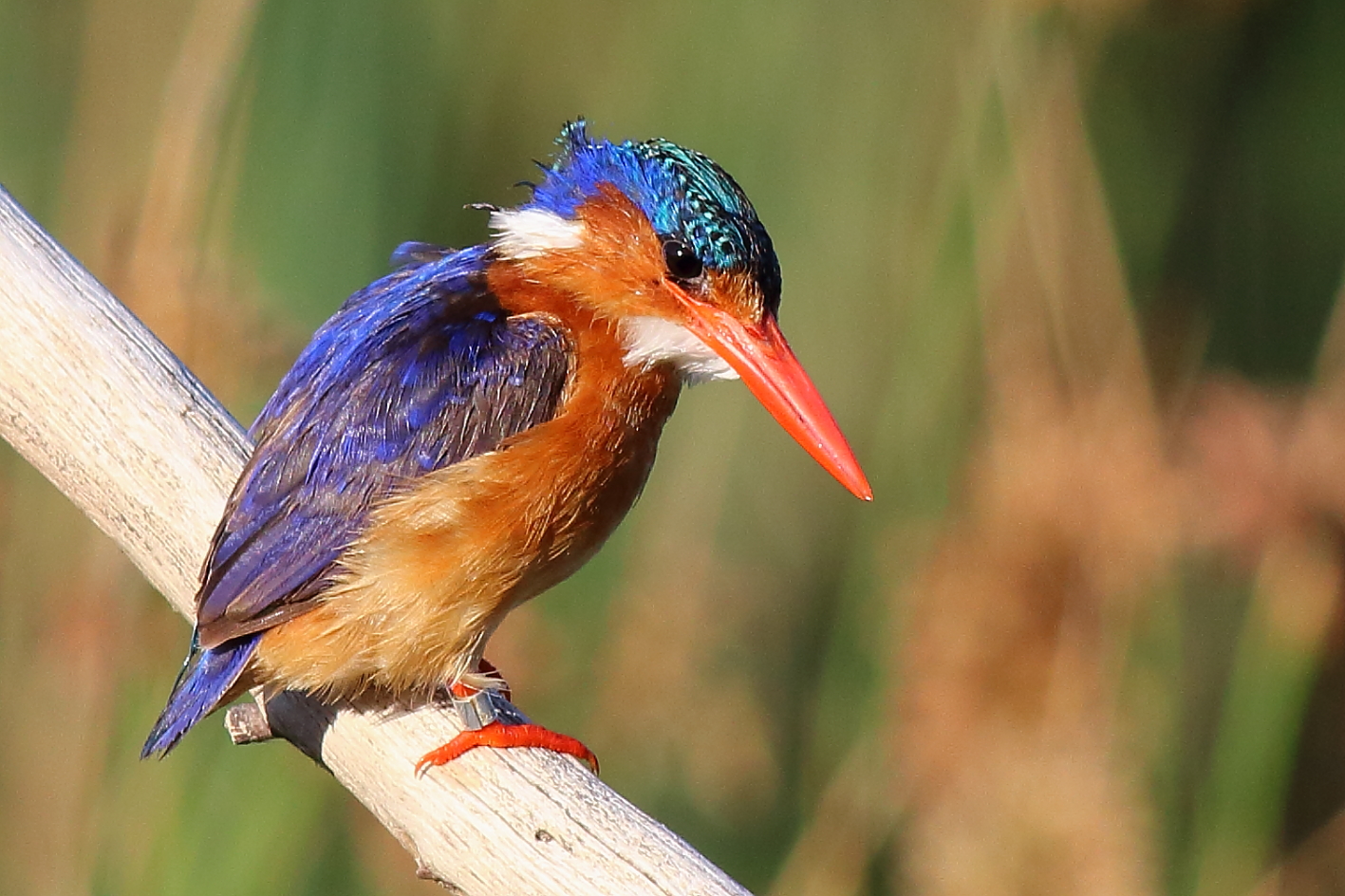
One of the treats of a healthy wetland reserve is that there will most likely be a resident Kingfisher. Intaka Island in Century City provides such a treat as it has a resident pair of Malachite Kingfishers.
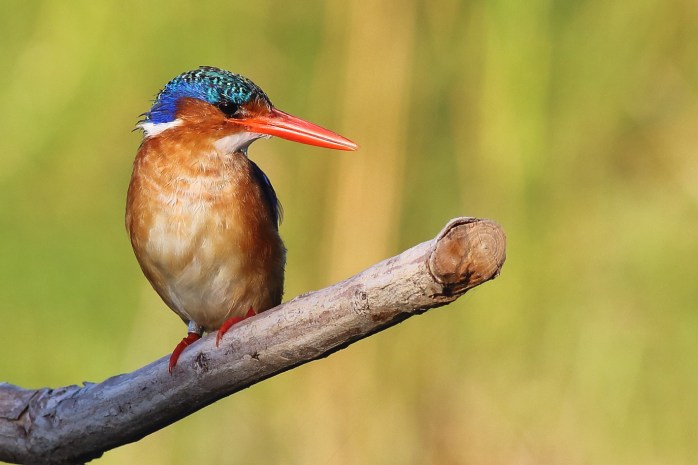
To add to the beauty of these colourful little birds, they have successfully bred three chicks. It has been an interesting few months watching these chicks grow up. There was a lot of excitement when they first ventured from their nesting hole.
Adults are recognised by a red beak and juveniles by their black beaks.
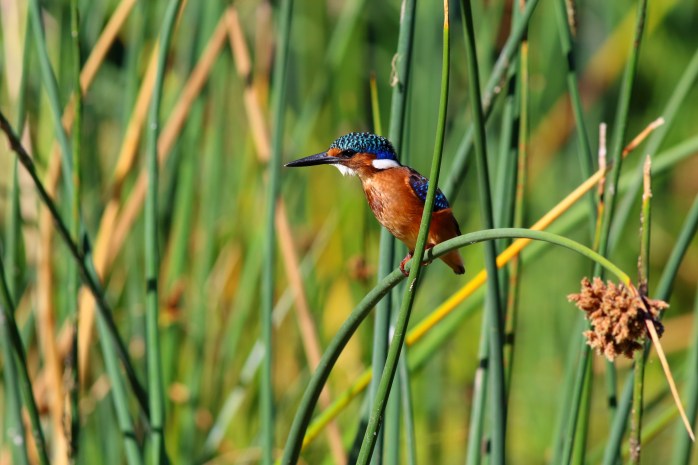
Many mornings were spent watching the chicks perched on reeds calling for food. The parents would come and deliver little fish and then fly off to catch the next meal. Often I would only see glimpses of this feeding as the reed beds are quite dense and the Kingfishers don’t always come out in the open areas of the wetland.
Then they started practicing to dive into the water, first to bath and then to learn to catch a meal.
The chicks are now fully functional and have even started hunting on their own. They seem to function completely independently from their parents.
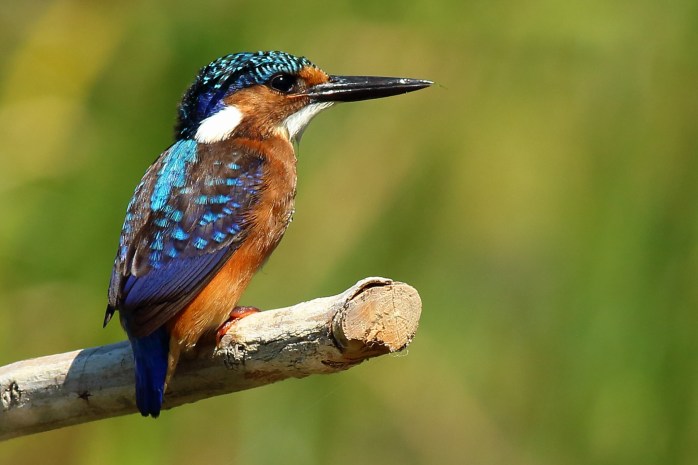
These Kingfishers fly incredibly fast and it is often difficult getting a great pic unless they perch right in front of the bird hide. It is only a matter of time before these chicks grow up and the parents force them to leave the area.
Until then I hope to photograph these chicks in all their splendour.
Third time lucky

With a very healthy population of Mozambique Tilapia at Intaka Island, I’m always amazed that I’ve never seen these fat fish being scooped up by the Herons or the Raptors that pass through the wetland reserve.
I made my way to the bird hide very early on Saturday morning. There was not much going on when I arrived, but it all changed pretty quickly.
I saw the resident Purple Heron hanging around in the shallow water. His gaze was sternly focussed on the water around him. The Purple Heron had assumed his striking pose and stood still as if it was a statue.
The next moment it struck!

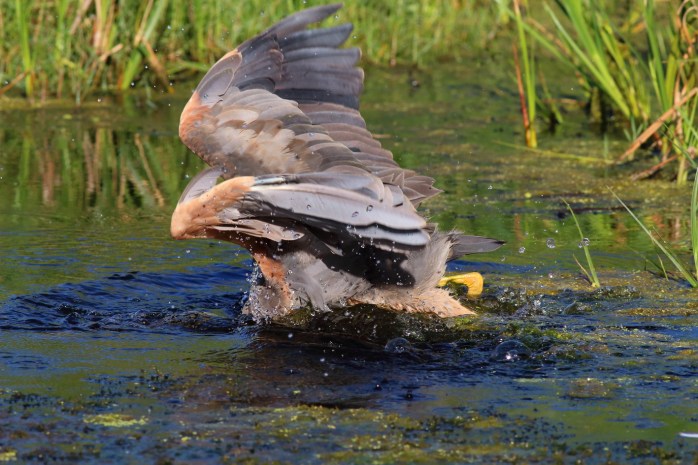
There was a lot of slime and goo in the water which resulted in very slimy fish. The Purple Heron managed to catch the fish, but struggled to hold on. A few minutes later the Purple Heron attempted another hunt, but once again it failed.

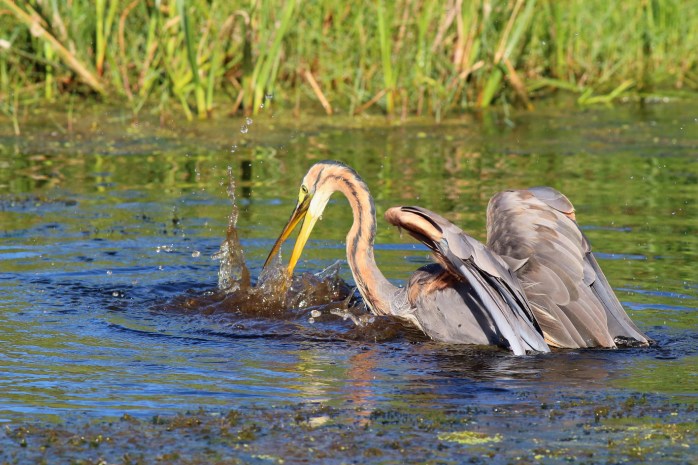
This was the first time that I had seen any of the Herons catching fish. It was very entertaining and I decided to sit tight and hope that the Purple Heron would make one more attempt at catching some breakfast.
Sure enough, the Purple Heron got back in the game. This time he managed to catch a fish and hold on to it, despite all the debris in the water. I couldn’t believe my luck. The Purple Heron managed to make quite the catch.


The Purple Heron proceeded to make its way out of the water with its prized catch. With some bigger Herons in the area, any catch needs to be consumed immediately. The Purple Heron made its way on to a nearby bank and decided to eat its meal there.
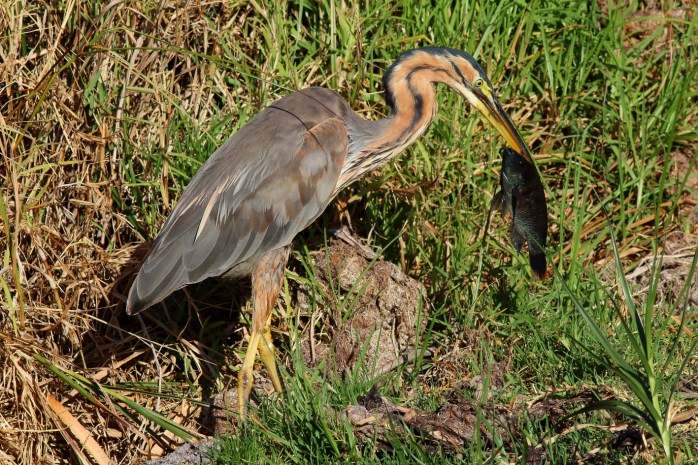
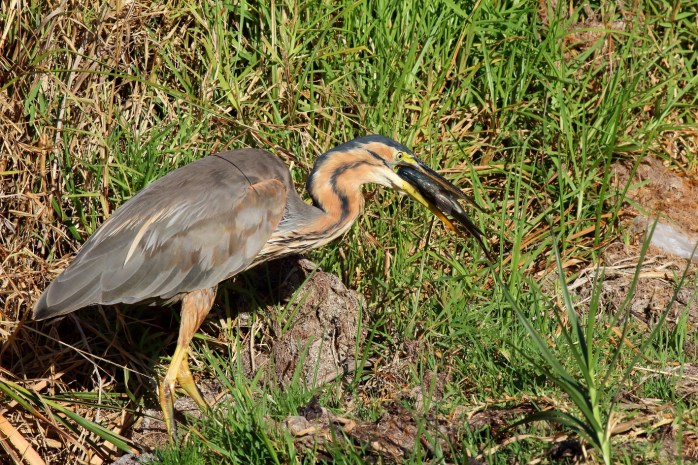
It was fascinating to see how the Purple Heron swallowed such a large fish. It repositioned the fish a few times, without dropping it, ensuring that it could be swallowed with ease. The Purple Heron opened its beak wider and tossed the fish up and proceeded to swallow the fish whole. It opened its throat and swallowed the fish with one large gulp.


Road runner becomes road kill
Besides all the larger mammals and reptiles in the Kruger, many of the smaller animals and birds provide some sort of entertainment.
Driving back from Lower Sabie to Skukuza rest camp before gate close at 18:00, my friend Anthony and I came across two very playful Francolins on the side of the road. They were chasing each other, bolting in and out of the bush, running circles in the road and making a racquet as they usually do. We stopped the car to take a little break and watched their shenanigans.
The next moment a SUV drove past us as one of the Francolins darted across the road. I knew what was about the happen next. The SUV didn’t slow down and simply drove over the bird. All I saw was feathers flying around. My friend chirped them and they claimed it wasn’t intentional. Either way, the Francolin was history and his friend just stood around wondering what just happened.
The next day returning back to camp after a successful day of game viewing, Anthony and I spotted something coming waltzing far down the road. We didn’t have a clue what it was. It looked rather light in colour and had a bearish appearance. After a couple of guesses we gave up. We drove closer and to our surprise it was out first Spotted Hyena sighting.

We were overjoyed with excitement and decided to follow the hyena. The hyena was trotting in the opposite direction of our camp, but that didn’t matter to us. We turned the car around and drove side by side with the hyena. The hyena would scamper off into the bush and then return to the road. This continued for a fair distance down the H4-1 road. Then the hyena crossed the road.
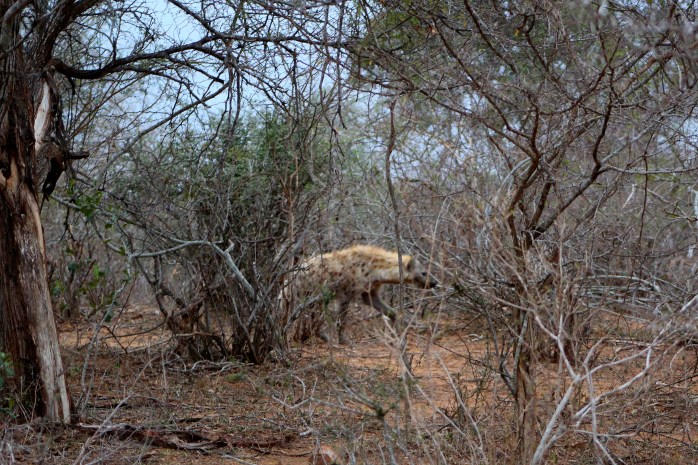
I could see something lying in the road and the hyena was eager to investigate what it was. It was some road kill. The hyena wasted no time and started eating the road kill. Being close to the same spot as the night before, we wondered if this was the same Francolin that had been hit the night before.
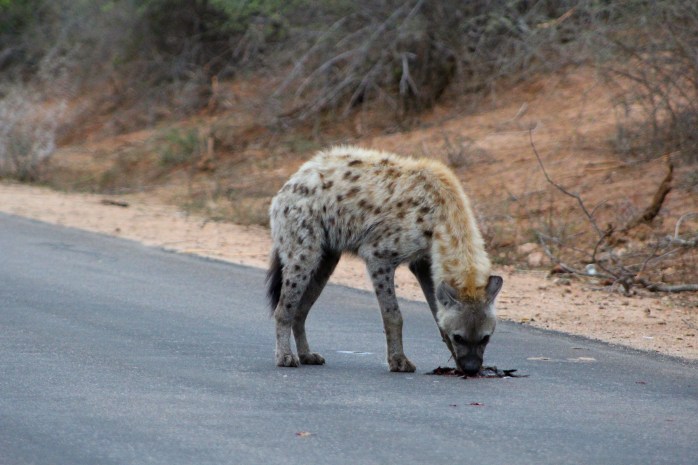
A couple of cars stopped at this sight. The hyena easily scoffed up this bird, after getting half of the bones stuck in his feet. It is very entertaining watching these animals in their natural environment and seeing what they all get up to.
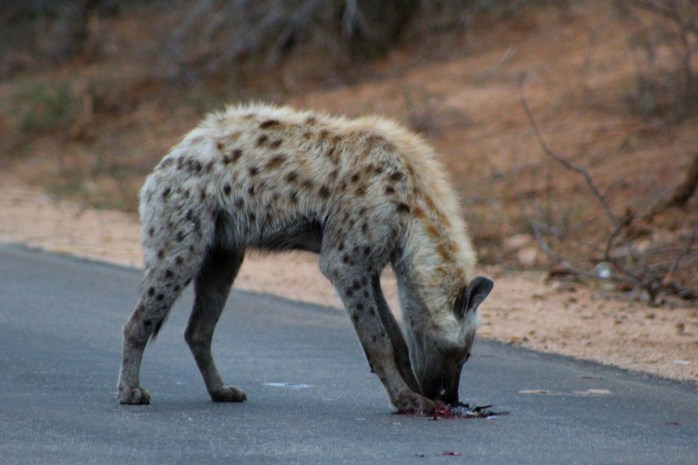

When it finished off the road kill, it simply hurried off into the bush again trying to avoid all the attention from the cars.
An unpleasant sighting
After a couple of rainy days spent in the Kruger Park, I finally woke up to some sunshine on day four. Contrary to what I had expected, the rainy weather produced some very exciting game viewing! However, seeing blue skies and sunshine automatically changes the atmosphere around you.
Trying to take in the stillness of the morning, I walked down to the Sabie River with a bowl of Jungle Oats in hand. Sitting on a riverside bench, I was welcomed by the familiar call of an African Fish Eagle. A moment later another African Fish Eagle swooped in and perched in a nearby tree. It had been attracted by the call of the first eagle and proceeded to respond with a call of its own.
The adventure for the day was to travel south down the H3 road from Skukuza rest camp to Malalane. Along the way I stopped at Mathekanyane Lookout. This is a massive, steep granite boulder 10km south of Skukuza rest camp. It is one of the spots in Kruger where you are allowed to alight from your vehicle. This boulder provides spectacular views of the surrounding bushveld.
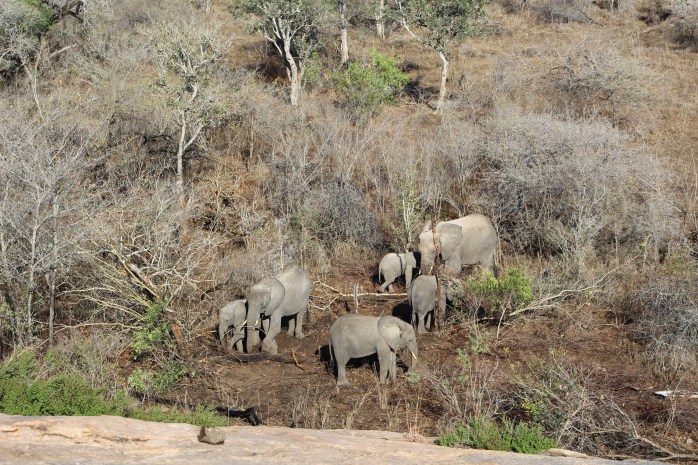
It is a little daunting walking out in the open knowing that there is a chance of predators roaming the area. I noticed that there was a herd of elephants at the base of the boulder. I watched them for a while. The adults were just feeding on branches and digging for some roots. The two elephant calves were a little more playful. My attention drifted from the elephants and I made my way back to the car. The next moment I heard a thundering roar!! I immediately spun around and scanned for lions, but it wasn’t lions making that noise.
One of the elephant calves must have done something wrong and the mother was reprimanding him. I couldn’t believe the intensity of its holler. I only expected a small little trumpeting like one might hear in a zoo. This uproar ripped through the entire bush!
Some game drive vehicles made its way up the hill. They came from the direction in which I was heading. I asked one of the game rangers if there had been any noteworthy sightings along the way. He said that there was a lioness that had been laying on the side of the road for the last 2 or 3 days. She had contracted TB and was just waiting to die.
Sure enough I reached the lioness next to the road. Being ill, she would most likely have been kicked out of her pride and left to fend for herself. There were already a couple of cars lined up at the sighting. I approached the lioness from behind. I could see that the lioness was rather skinny and worn out. She lifted her head a few times with great effort and you could see the hopelessness in her eyes. I managed to make my way through the cars and got a clearer view from the front.
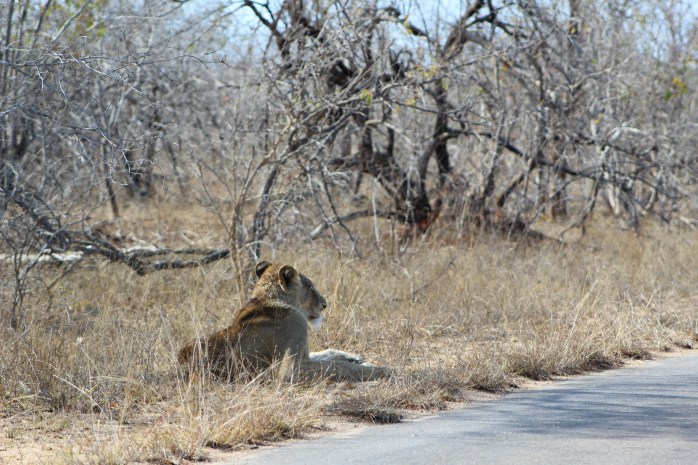
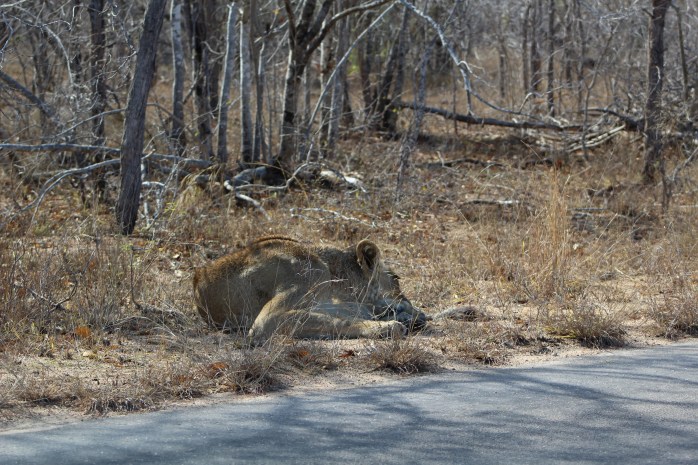
Only once I approached from the front was I able to see the extent of her illness. It wasn’t a pleasant sight at all! She was curled up in a ball and was just waiting to die. As sad and uncomfortable as such a sighting is one must realise that this is part of life and how the order of things work in the bush.

 Wild Adventures Blog
Recent Comments